Held annually in April, the Freetown Music Festival celebrates Sierra Leone's vibrant music scene, featuring local artists and international performances. Travelers can enjoy diverse genres, from Afrobeat to reggae, in a lively and energetic atmosphere.
Planning a trip to Sierra Leone?
Share your travel plans and get free itineraries and quotes from multiple trusted local operators.
10k+ travelers have submitted inquiries
Sierra Leone - Travel Guide
4.0Must-see attractions, popular activities, and featured local operators
Sierra Leone, a hidden gem in West Africa, offers travelers a rich tapestry of experiences, from stunning beaches like the pristine Turtle Islands to the vibrant culture of Freetown, the capital. The country is renowned for its historical landmarks, such as the poignant Cotton Tree and the Sierra Leone National Museum, which showcase its colonial past and cultural heritage. Nature enthusiasts can explore the lush rainforests of Gola National Park, home to diverse wildlife, or embark on a hike to the breathtaking peaks of the Loma Mountains. Sierra Leone's lively music scene, particularly its infectious rhythms of traditional dance and local cuisine featuring jollof rice and groundnut stew, invites visitors to immerse themselves in the warmth and hospitality of its people.
Attractions
14 main attractions
View on mapLanguage
Sierra Leone is a linguistically diverse country where English serves as the official language, a remnant of its colonial past. It is widely used in government, education, and media, making it accessible for international communication. In addition to English, Krio—a creole language derived from English—acts as a lingua franca among the majority of the population, bridging various ethnic groups. Other local languages, such as Mende and Temne, are also prevalent, reflecting the rich cultural tapestry of the nation.
Best Time to Visit
The best time to visit Sierra Leone is during the dry season, which typically runs from November to April. During these months, the weather is pleasantly warm and less humid, making it ideal for exploring the country's stunning beaches, lush rainforests, and vibrant cities. December and January are particularly popular as they offer clear skies and comfortable temperatures, perfect for outdoor activities and cultural experiences. However, visiting during the shoulder months of October and May can also provide a unique perspective, with fewer crowds and the chance to witness the lush landscapes come to life after the rains.
Festivals
Celebrated in August, this festival honors Sierra Leone's cultural heritage with traditional dance, music, and art exhibitions. It's a great opportunity for travelers to experience the country's ethnic diversity and rich artistic expressions.
On April 27, the country celebrates its independence from British colonial rule. Travelers can witness patriotic parades, ceremonies, and local festivities, offering a deep dive into Sierra Leone's history and national pride.
The Mende Bori Festival, held in September, is a spiritual and cultural celebration of the Mende people. It includes traditional dances, rituals, and storytelling, offering travelers a unique chance to explore Sierra Leone's indigenous customs and beliefs.
The Fambul Tok Festival, typically in November, is a reconciliation event that promotes peace and healing in Sierra Leone after the civil war. It's marked by community gatherings, storytelling, and celebrations of unity, providing a profound cultural experience for visitors.
Cuisine

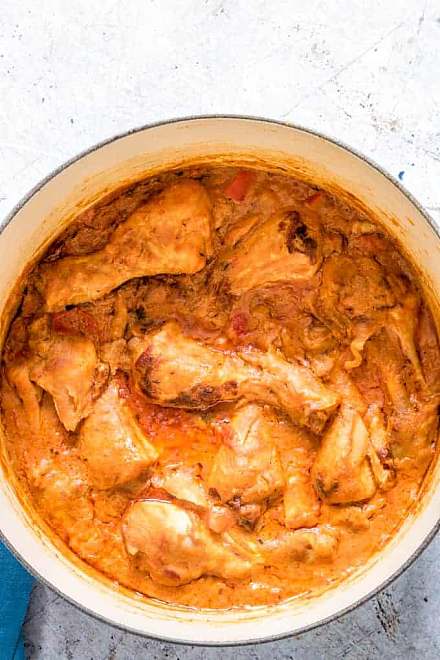
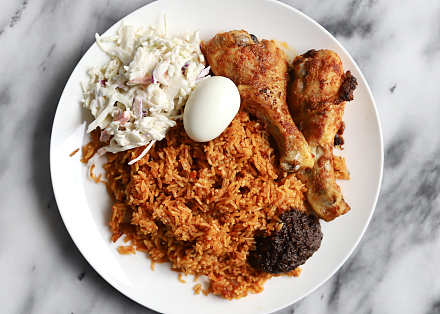
Jollof Rice
A popular West African dish made with rice, tomatoes, onions, and spices, often served with grilled chicken or beef.

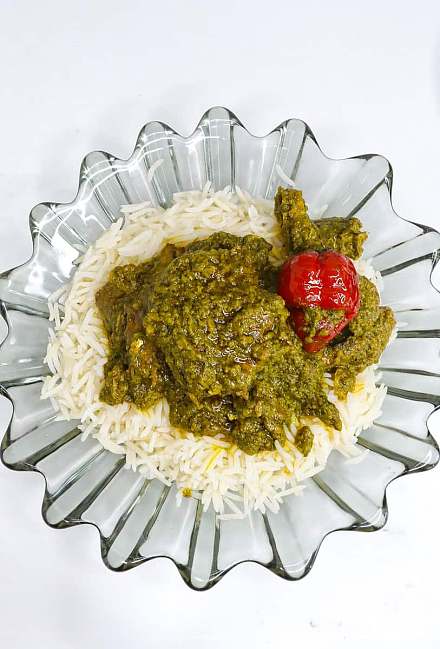
Cassava Leaves
A flavorful stew made from cassava leaves, palm oil, and meat or fish, typically served with rice or fufu.

Groundnut Soup
A peanut-based soup, made with ground peanuts, chicken or fish, and seasoned with spices, served with rice or fufu.

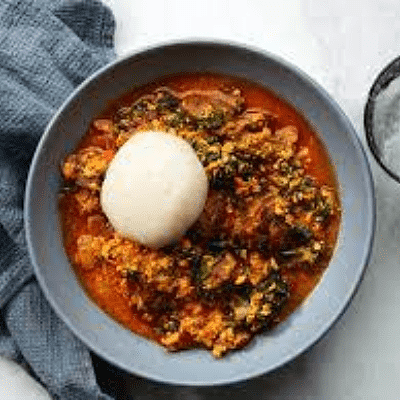
Fufu
A starchy dish made from pounded yam or cassava, often eaten with soups like groundnut or palm nut soup.

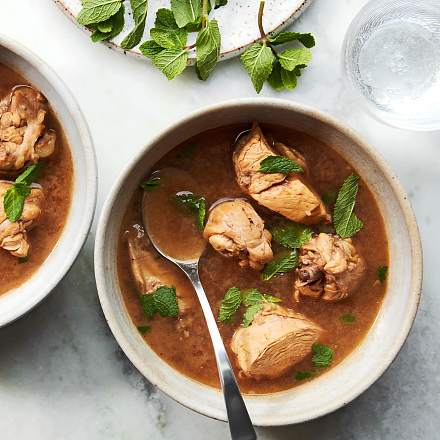
Pepper Soup
A spicy, aromatic broth made with fish or chicken, seasoned with local spices and herbs, perfect as a starter or main.

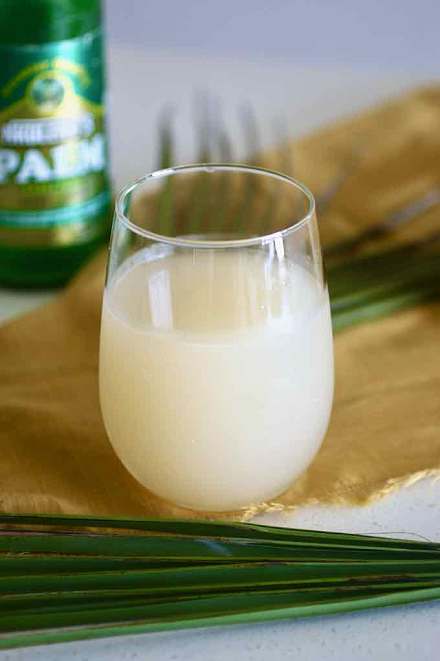
Palm Wine
A traditional beverage made from the sap of palm trees, fermented to produce a mildly alcoholic drink.

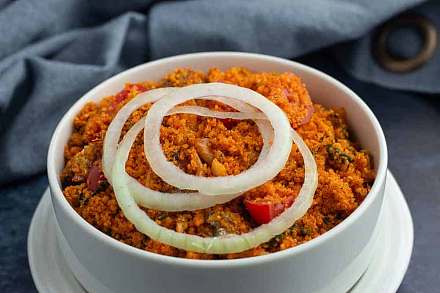
Gari Fortor
A dish made from fried gari (cassava flour), mixed with onions, tomatoes, and usually fish or meat, offering a comforting, savory meal.
Packing
When packing for a trip to Sierra Leone, prioritize lightweight, breathable clothing suitable for warm, humid weather. Opt for loose-fitting cotton or linen garments to stay comfortable during the day. Don't forget a wide-brimmed hat and sunglasses for sun protection. Sturdy sandals or walking shoes are essential for exploring both urban areas and nature. Include a light rain jacket, especially if traveling during the rainy season. Insect repellent is crucial to ward off mosquitoes, and a basic first-aid kit can be handy. Lastly, remember to pack sunscreen and a reusable water bottle to stay hydrated while enjoying the stunning landscapes and vibrant culture.
Currency
In Sierra Leone, the official currency is the Sierra Leonean Leone (SLL), which is subdivided into 100 cents. Banknotes are available in denominations of 1,000, 2,000, 5,000, 10,000, and 20,000 leones. While ATMs are available in major cities like Freetown, they may not always accept international cards, and cash is often preferred. Credit cards are accepted in some hotels, restaurants, and larger businesses, but it's advisable to carry cash, especially when traveling to rural areas where card facilities are scarce. Always check for the latest exchange rates and availability before your trip.
Transport
Sierra Leone's transportation system is primarily centered around its major international gateway, Lungi International Airport, located near the capital city, Freetown. From the airport, visitors can take a ferry to Freetown or opt for a road transfer, though the ferry is often more popular due to traffic conditions. Within the country, transportation options include shared taxis, minibuses, and motorbikes, which are common for short distances. For longer journeys, private car hires are available and can provide more comfort. While public transport is budget-friendly, it can be crowded and less reliable; therefore, it's advisable to negotiate fares in advance. Travelers should also be cautious when using local taxis and consider using reputable ride-hailing apps where available.
Emergency
Sierra Leone is rich in culture and traditions, but travelers should be mindful of certain taboos to ensure respectful interactions. For instance, it's important to avoid pointing with your finger, as this can be considered rude; instead, use your whole hand. Public displays of affection are also frowned upon, especially in rural areas. Additionally, discussing sensitive topics like the civil war can be seen as intrusive. In case of emergencies, it's crucial to note that the general emergency number is 999, which connects you to police, fire, and medical services.
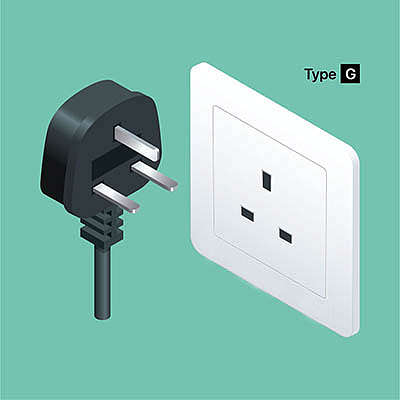
Power Sockets
Sierra Leone operates on a standard voltage of 230V with a frequency of 50Hz. The power sockets used are of type G, which are the three rectangular pronged plugs commonly found in the UK.

Tours
View all toursNo featured routes yet
Route recommendations for this destination are coming soon.